Korean Bibimbap
Uitgelicht onder: Wereldkeuken
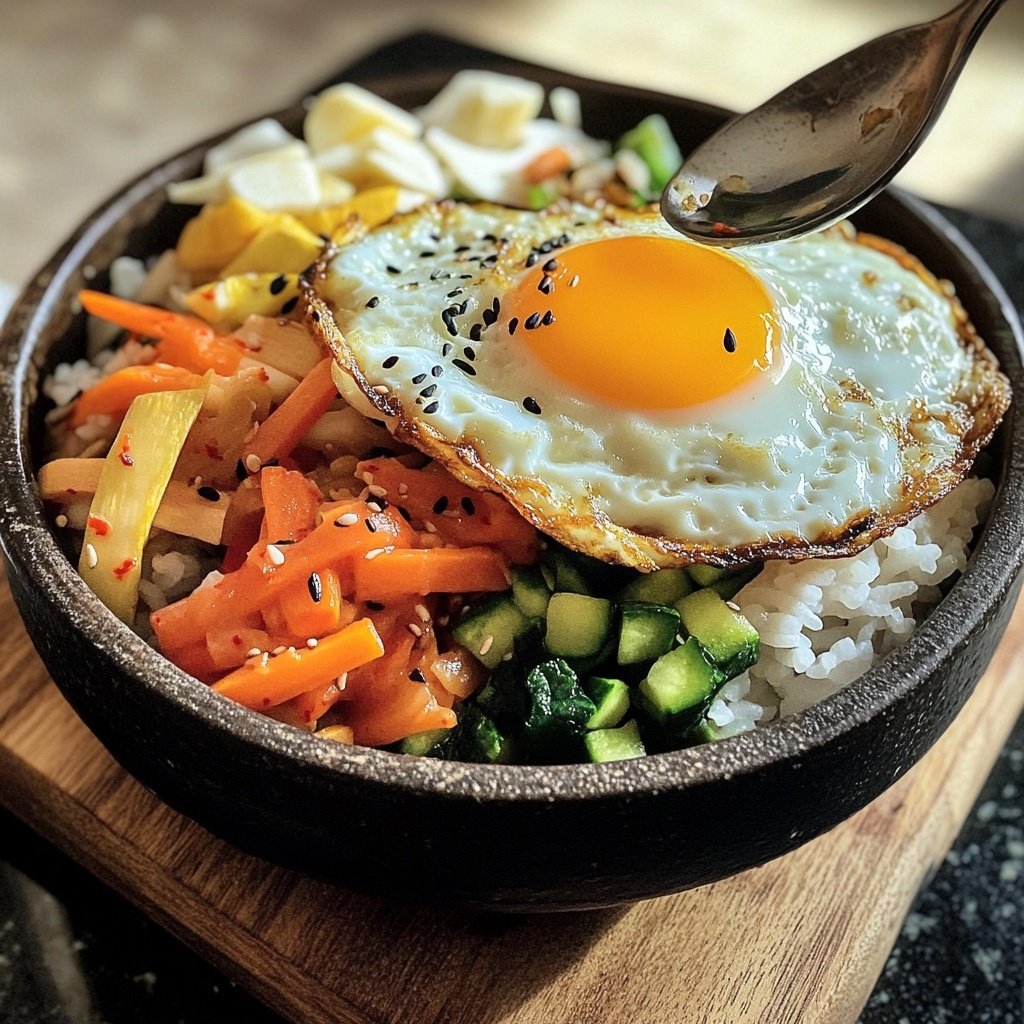
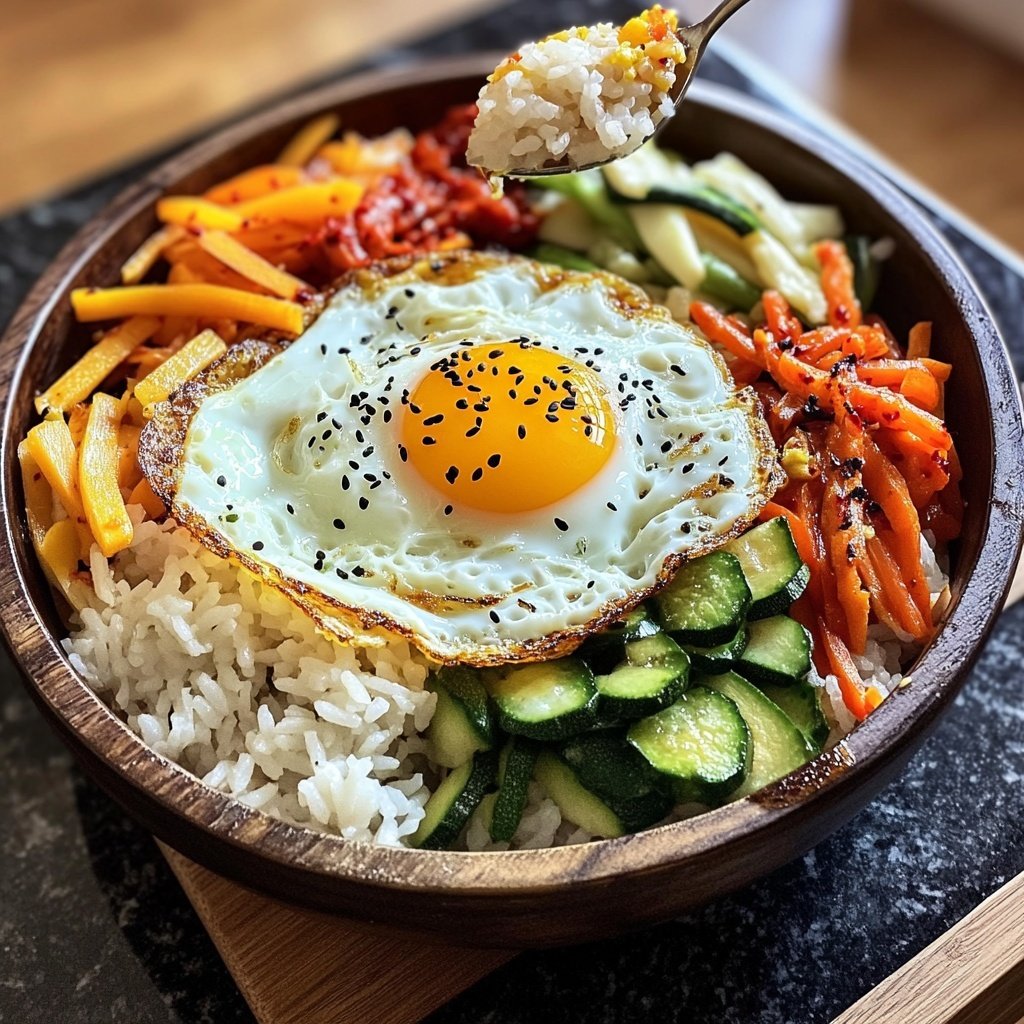
Korean Bibimbap is a vibrant and flavorful dish that combines rice with a variety of sautéed vegetables, meats, and a fried egg, all topped with spicy gochujang sauce.
Korean Bibimbap is not just a meal; it's a colorful masterpiece on your plate. Each ingredient represents harmony and balance, making it a beloved dish in Korean cuisine.
Why You'll Love This Bibimbap
- A delightful mix of textures and flavors in every bite
- Customizable with your favorite vegetables and proteins
- A healthy and balanced meal in one bowl
The Origins of Bibimbap
Bibimbap, a beloved Korean dish, translates to 'mixed rice.' Its roots can be traced back to the royal court cuisine of Korea, where it was served as a means to use up leftover ingredients. Traditionally, bibimbap is a harmonious blend of rice, assorted vegetables, meat, and a fried egg, all mixed together with a spicy chili paste known as gochujang. This dish represents the essence of Korean culinary philosophy, emphasizing balance, nutrition, and the vibrant colors of fresh ingredients.
Over the years, bibimbap has evolved into various regional versions, each showcasing local ingredients and flavors. From the famous Jeonju bibimbap, known for its rich flavors and high-quality ingredients, to the vegetarian variations found in Buddhist temples, bibimbap is versatile and adaptable, making it a cherished dish not just in Korea but worldwide.
The Health Benefits of Bibimbap
Korean Bibimbap is not only delicious but also packed with nutritional benefits. The variety of vegetables used in bibimbap provides essential vitamins and minerals, promoting overall health. For instance, spinach is rich in iron and calcium, while carrots are an excellent source of beta-carotene, which supports eye health. The inclusion of protein from beef or tofu helps to keep you full and satisfied, making this dish a well-rounded meal.
Additionally, the use of gochujang adds a metabolic boost due to its spicy nature, which may help enhance fat burning. With its colorful presentation and balanced nutrients, bibimbap is a fantastic option for anyone looking to enjoy a healthy meal without sacrificing flavor.
Customizing Your Bibimbap
One of the best aspects of bibimbap is its versatility. You can easily customize the ingredients based on your dietary preferences or what you have on hand. For a vegetarian version, simply use tofu and a variety of your favorite vegetables. Options like bell peppers, radishes, or even sweet potatoes can add unique flavors and textures to your dish.
For those who prefer a spicier kick, consider adding more gochujang or even some kimchi on the side. You can also experiment with different proteins, such as chicken, pork, or tempeh, to create a dish that suits your taste. The beauty of bibimbap lies in its ability to cater to everyone, making it a perfect choice for family meals or dinner parties.
Ingredients
For the Bibimbap
- 2 cups cooked rice
- 1 cup bean sprouts
- 1 cup spinach, blanched
- 1 cup carrots, julienned
- 1 cup zucchini, julienned
- 1 cup shiitake mushrooms, sliced
- 4 eggs
- 1/2 pound ground beef or tofu
- 2 tablespoons vegetable oil
- 1 tablespoon sesame oil
- Salt, to taste
- Gochujang (Korean chili paste), to taste
Feel free to customize with your favorite vegetables and proteins!
Instructions
Prepare the Vegetables
Heat 1 tablespoon of vegetable oil in a skillet over medium heat. Sauté the zucchini, carrots, and mushrooms separately until tender. Season with salt to taste. Set aside.
Cook the Beef or Tofu
In the same skillet, add another tablespoon of vegetable oil. Cook the ground beef or tofu until fully cooked, breaking it apart with a spatula. Season with salt and sesame oil.
Fry the Eggs
In a separate pan, fry the eggs sunny-side up until the whites are set but the yolks are still runny.
Assemble the Bibimbap
In a large bowl, place a serving of rice. Arrange the sautéed vegetables, beef or tofu, and a fried egg on top. Drizzle with gochujang and sesame oil before serving.
Mix everything together before eating for a full burst of flavors!
Professionele Tips
- For a vegetarian version, substitute the beef with mushrooms or additional tofu. Adjust the spiciness by varying the amount of gochujang.
Serving Suggestions
Bibimbap is best enjoyed freshly made, allowing you to savor the vibrant colors and flavors of each component. Serve it in a large bowl for a family-style meal, or prepare individual portions for a more formal presentation. Pair it with a side of kimchi, pickled vegetables, or a light soup to round out the meal.
For a unique twist, consider serving bibimbap in a hot stone pot, known as dolsot bibimbap. The hot stone will create a crispy layer of rice at the bottom, adding a delightful texture to each bite. Don't forget to offer additional condiments like sesame seeds or sliced scallions for guests to personalize their bowls.
Storage and Reheating Tips
Leftover bibimbap can be stored in an airtight container in the refrigerator for up to three days. When you're ready to enjoy it again, reheat the rice and vegetables in a skillet over medium heat until warmed through. If you have a fried egg leftover, you can quickly prepare a new one to top your reheated bibimbap.
For long-term storage, consider freezing the sautéed vegetables and protein separately. This way, you can easily assemble a fresh bowl of bibimbap whenever the craving strikes. Just remember to adjust the seasoning and add fresh ingredients, like a new fried egg, for the best flavor.
Vragen Over Recepten
→ Can I make Bibimbap vegetarian?
Absolutely! Just replace the beef with tofu or extra vegetables.
→ What can I use instead of gochujang?
You can use Sriracha or another chili paste, but the flavor will differ slightly.
→ Can I prepare the ingredients in advance?
Yes, you can prepare the vegetables and proteins a day ahead and store them in the fridge.
→ Is Bibimbap healthy?
Yes, it is packed with vegetables and can be made with lean proteins, making it a nutritious meal.
Korean Bibimbap
Gemaakt door: Xanthe Beaumont
Recepttype: Wereldkeuken
Vaardigheidsniveau: Intermediate
Eindportie: 4 servings
Wat je Nodig Hebt
For the Bibimbap
- 2 cups cooked rice
- 1 cup bean sprouts
- 1 cup spinach, blanched
- 1 cup carrots, julienned
- 1 cup zucchini, julienned
- 1 cup shiitake mushrooms, sliced
- 4 eggs
- 1/2 pound ground beef or tofu
- 2 tablespoons vegetable oil
- 1 tablespoon sesame oil
- Salt, to taste
- Gochujang (Korean chili paste), to taste
Stappen
Heat 1 tablespoon of vegetable oil in a skillet over medium heat. Sauté the zucchini, carrots, and mushrooms separately until tender. Season with salt to taste. Set aside.
In the same skillet, add another tablespoon of vegetable oil. Cook the ground beef or tofu until fully cooked, breaking it apart with a spatula. Season with salt and sesame oil.
In a separate pan, fry the eggs sunny-side up until the whites are set but the yolks are still runny.
In a large bowl, place a serving of rice. Arrange the sautéed vegetables, beef or tofu, and a fried egg on top. Drizzle with gochujang and sesame oil before serving.
Extra Tips
- For a vegetarian version, substitute the beef with mushrooms or additional tofu. Adjust the spiciness by varying the amount of gochujang.
Voedingswaarde (Per Portie)
- Calories: 500 kcal
- Total Fat: 20g
- Saturated Fat: 5g
- Cholesterol: 210mg
- Sodium: 600mg
- Total Carbohydrates: 60g
- Dietary Fiber: 5g
- Sugars: 4g
- Protein: 20g